Storage where the mess already is
Put storage where things land, not where you wish they landed. A shelf six feet from the problem solves nothing.

Observe before you fix
Before buying a single hook or bracket, spend a week watching the house — not critically, just noticing. Coats land on the newel post because that is where people stop moving. Post sits on the kitchen counter because that is the first flat surface after the door. Shoes come off at the mat because feet are tired. Keys go on the nearest ledge because hands are already full.
None of this is laziness or bad habit. It is choreography, and it will not change because you put a coat rack in the hallway at a more aesthetic location. The rack three feet further in will stay empty. The newel post will collect its coats regardless.
The honest question is not "how do I get people to put things away properly?" It is "where do things actually land, and how do I make that landable?" Once you accept the distinction, the storage problem becomes a building problem, which is solvable.
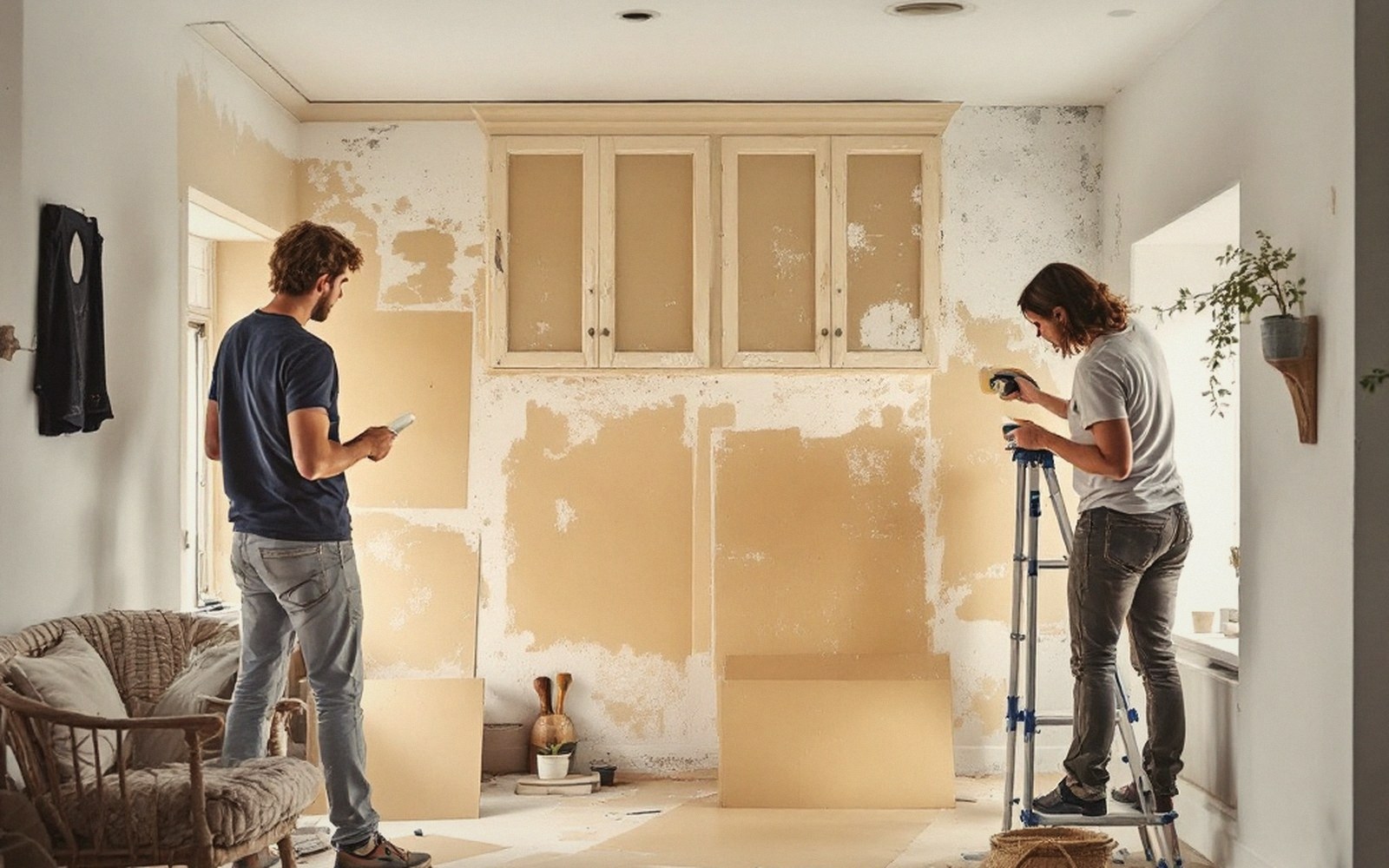
Work with the landing zone
The landing zone for any object is usually within a metre of where the activity ends — where you stop, set down, peel off. Build storage into that zone and it gets used automatically. Build it outside that zone and it requires a separate decision every single time, and decisions are what people skip when they are tired or carrying shopping.
In a hallway, this means hooks at the point of entry, not further in. A small shelf or a narrow ledge at about chest height deals with keys, post and whatever came out of pockets. If there is no wall at the point of entry — an open-plan return, say — a freestanding unit at the threshold does the same job. The hallway problem explores the geometry of this in more detail, but the underlying principle is identical wherever you apply it: storage at the point of landing, not the point of wish.
In a kitchen, the counter beside the door collects things because it is the first horizontal surface. A small tray or deep-lipped board corrals the sprawl without fighting it — the things still land there, but they land into something. A hook strip on the wall directly above handles bags and lightweight jackets that would otherwise drape over a chair.
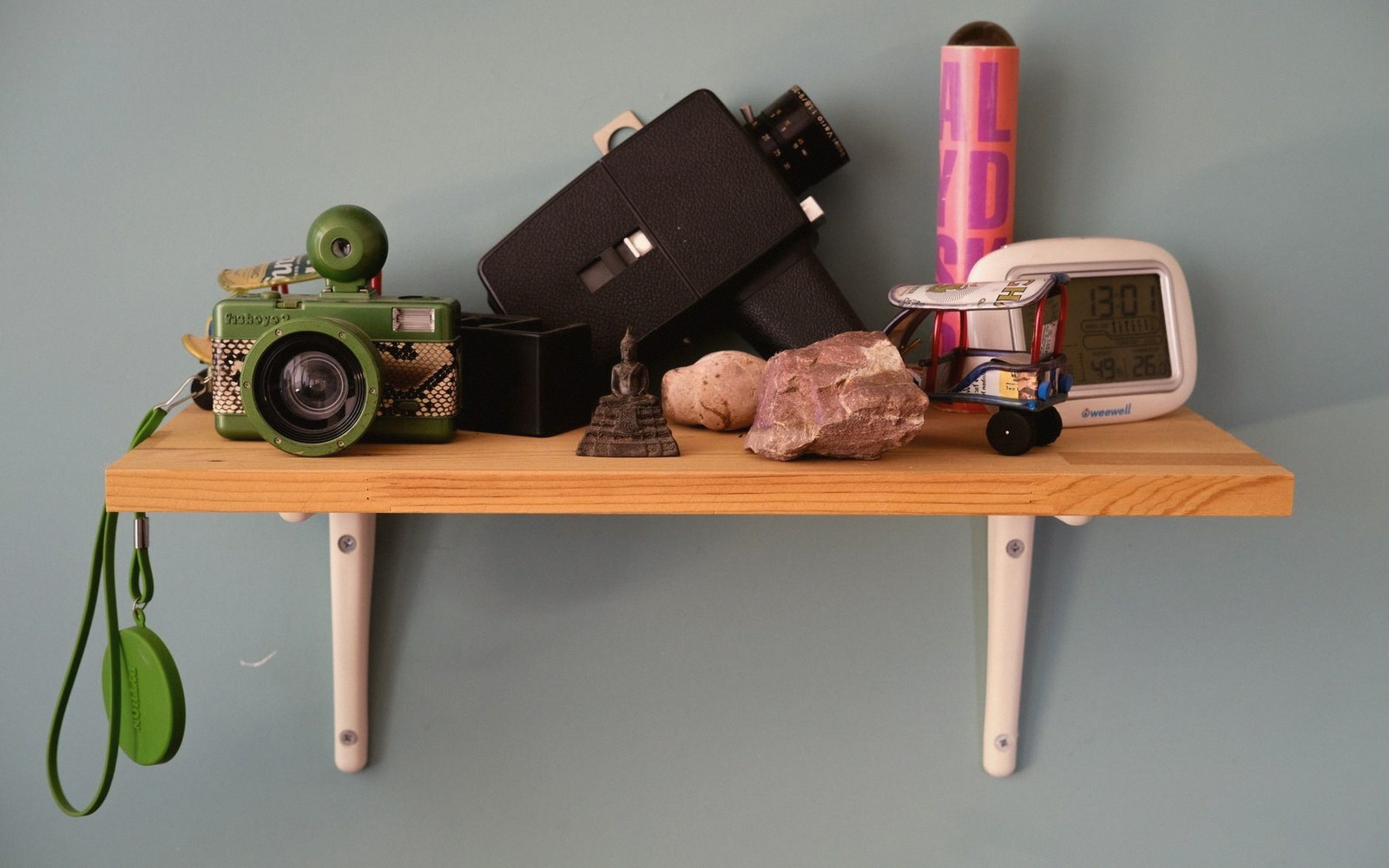
Living rooms collect things on whichever surface is nearest the sofa. A low shelf or a tray under the coffee table — actually under it, not across the room — keeps the immediate area manageable. Surfaces that live beside chairs attract things; make them useful rather than pretending they will stay clear.
Post sits on the kitchen counter because that is the first flat surface after the door.
Fixing it in
Most of what you actually need is not furniture but fixtures close to the action: hooks, small shelves, a rail, a ledge. These are straightforward weekend jobs. A hook strip on a timber batten takes one afternoon; shelves that hold depend far more on the fixing going into the wall than on the shelf itself, so identify what is behind the plaster before you commit. In a rented home or a room you are uncertain about, freestanding solutions — a narrow console, a tall open unit, a coat stand planted exactly where the mess lands — do the same job without touching the walls.
The practical limit is depth. Storage in a narrow hallway or a tight kitchen corner has to be genuinely shallow — deep units in tight spaces create new obstructions and stop being used. A 15-centimetre shelf holds more than you expect: keys, glasses, a phone, a wallet, a candle. That is enough.

Resist the pull toward the dedicated storage room, the organised cupboard in a spare corner, the beautiful basket on a shelf upstairs. These work for things you actively seek out. They do not work for things you drop without thinking. The mess knows where it lives. The storage just needs to meet it there.