The hallway problem
Coats, shoes, post and keys — the narrowest room in the house takes the most punishment and gets the least thought.

Make it work with the width you have
A hallway isn't really a room. It's a transition, and it collects everything that enters the house before anyone has decided what to do with it. Coats land on the nearest hook. Shoes come off at the door. Post settles on the first flat surface. Keys go somewhere, and then somewhere else. None of this is a discipline problem — it's a layout problem.
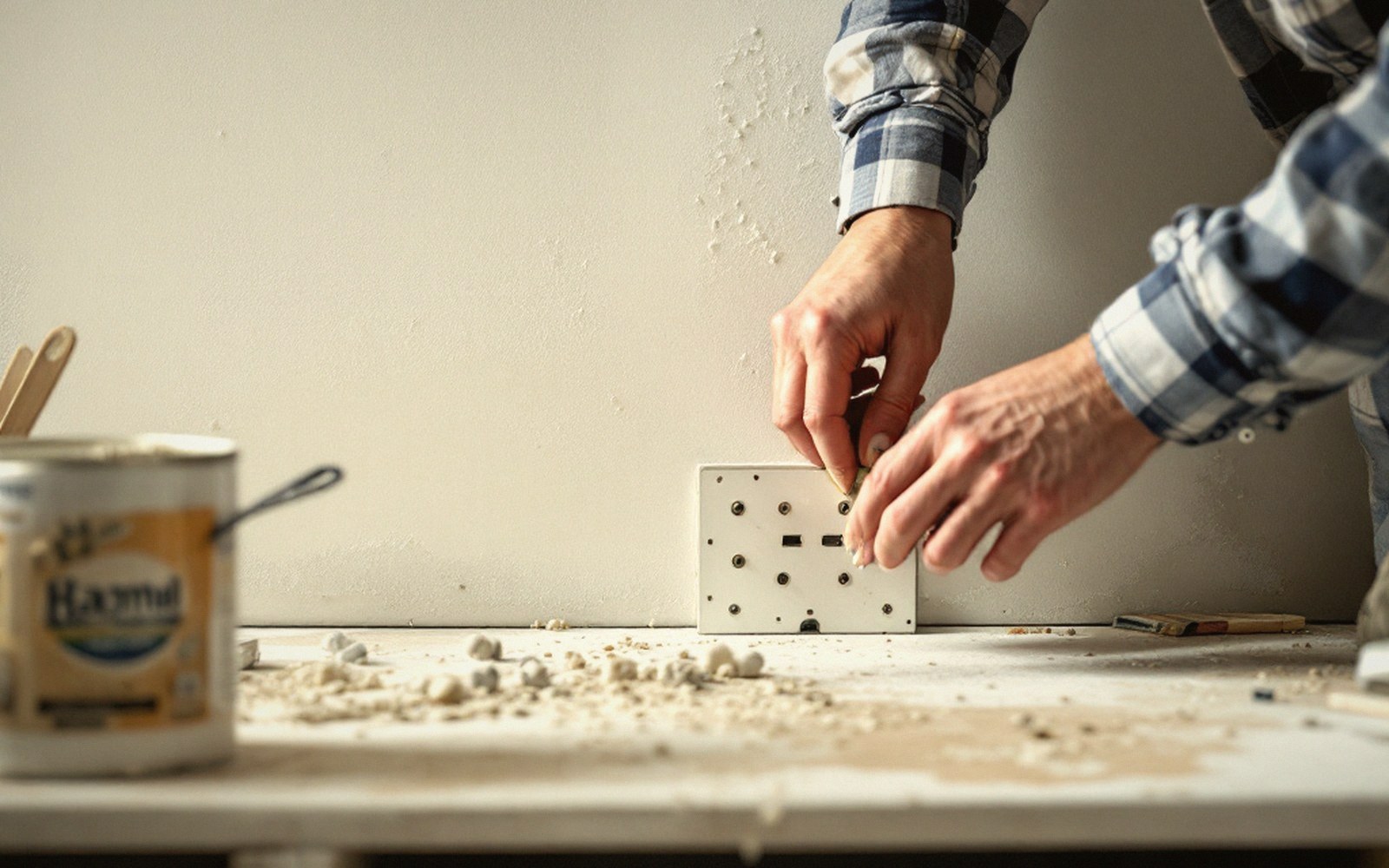
The instinct is to clear it out. That almost never works. The coats have to go somewhere, and if the hallway doesn't take them, they go onto a chair in the kitchen, or a bed. Storage here succeeds when it meets the mess exactly where it arrives, rather than hoping the mess will travel somewhere more convenient.
Hooks are the most useful thing in a hall and the most under-provided. Two hooks for a household of adults will be full by Tuesday. Mount them at coat height — roughly 150–160cm from the floor — and put up more than you think you need. A row of simple cast or forged hooks on a timber batten costs very little and takes ten minutes to fix; it will be used every single day. If the hall is genuinely narrow, hooks on the back of the front door work well and take no floor projection at all.
Shoes are harder. A bench with open storage underneath keeps footwear off the floor without demanding that anyone lifts a lid. A slatted shelf just inside the door — low, 20–25cm off the ground — is easier still. The mistake is a tall shoe cabinet: it takes up the visual space that makes a narrow hall feel passable, and the doors stop getting opened within a fortnight.
Post and keys need a single, fixed, deliberate spot. A small shelf or a narrow wall-mounted box at eye level near the door will hold both. The shelf should be no deeper than 15cm — deep enough for an envelope, no deeper, or it becomes a general ledge for everything that doesn't belong.
A slatted shelf just inside the door — low, 20–25cm off the ground — is easier still.
What the hallway almost never has is enough light. A well-placed mirror opposite the door reflects whatever daylight enters and makes the space feel twice as wide — not by magic, but because your eye reads the depth of the reflection as space. A lamp on the shelf does the same job at night. Light and order in a hallway follow each other: when you can see the space properly, you use it better.