Mirrors, and what they do
They move light rather than make it — and only if they face something worth reflecting.

What a mirror actually does
A mirror cannot generate light. It can only redirect what is already there, and the quality of what comes back depends entirely on what the mirror is facing. Point one at a blank wall and you have doubled the blankness. Point one at a window and you have, in effect, moved the window to another part of the room. That distinction is almost everything.
The useful position for a mirror is opposite or at an angle to a light source — a window, a lamp, a skylight. In a room where the window sits at one end, hanging a mirror on the facing wall pushes daylight further in and makes the room read as longer than it is. In a narrow hallway, a mirror on the side wall does something subtler: it implies width without the eye quite understanding why. Understanding where the light actually falls in a room before you hang anything is the prerequisite.
Size and placement matter more than the frame
The single most common mirror mistake is buying one that is too small. A small mirror placed high reads as decoration; a large one placed at the right height reads as space. The lower edge of a wall mirror should generally sit at about hip height — low enough to reflect the room across its middle rather than catching only the ceiling. A mirror leaned against the wall rather than hung can sit lower still, and will reflect more floor and less cornice, which usually gives a better sense of depth.
Framing and glass quality both affect what the reflection looks like. Older mirrors, made with glass that contains small impurities, give a slightly warm, slightly imperfect image — which many people prefer in a sitting room but find frustrating where they actually need to see themselves clearly. Modern float glass gives a colder, more precise reflection. Neither is wrong; they suit different rooms.
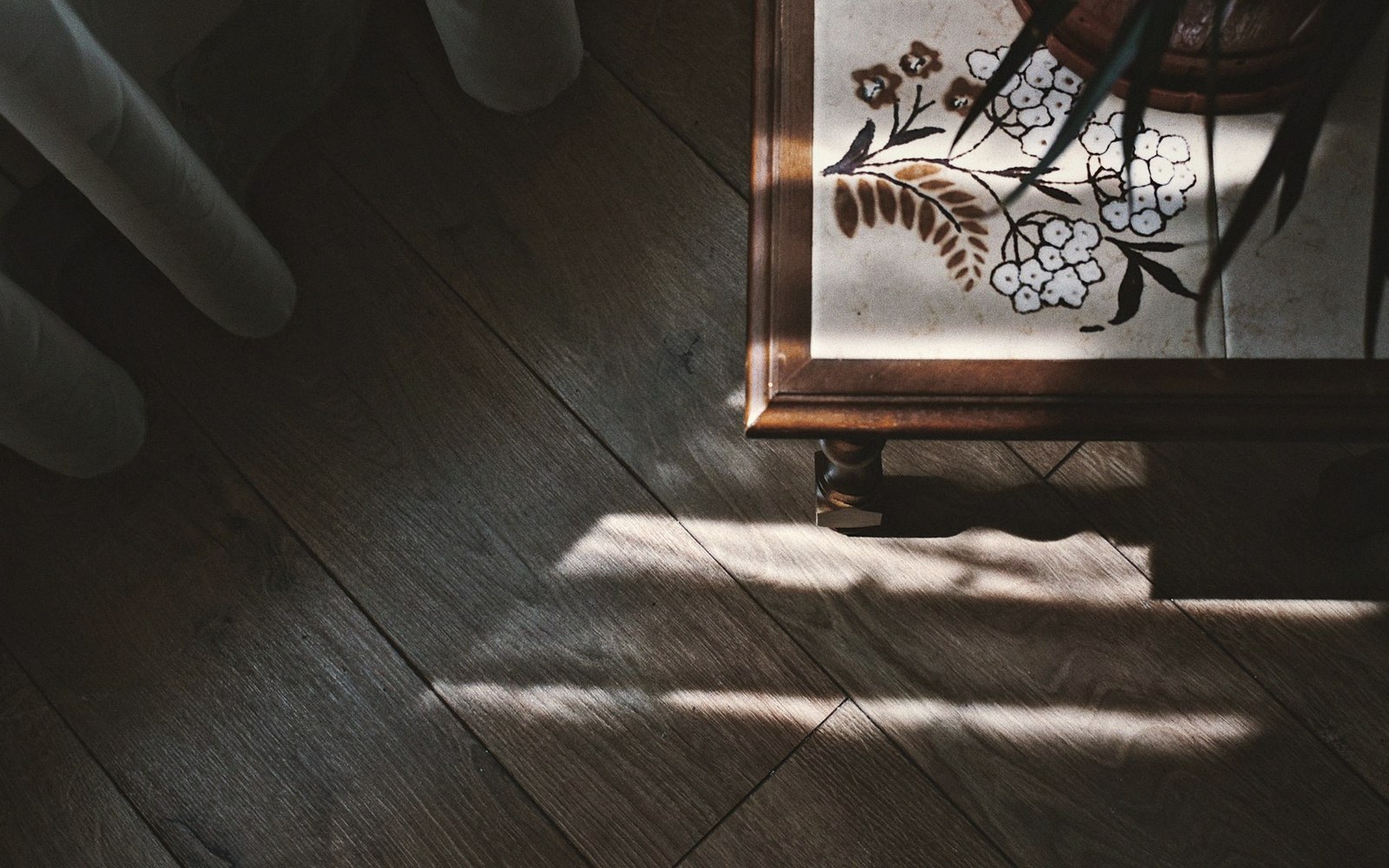
In a room lit by lamps rather than one overhead light, a mirror can multiply the warmth of a well-placed lamp considerably — but only if it faces the lamp rather than the back of a lampshade. The positioning logic is the same as for windows: the mirror sees what it sees, and returns it.
One thing a mirror cannot fix is a dark room that has no usable light to begin with.
One thing a mirror cannot fix is a dark room that has no usable light to begin with. At night, a mirror facing an unlit space reflects nothing useful and can feel unsettling. That is not a problem to solve; it is just the nature of the object.