Where the light actually falls
Arrange the room around the window before buying a single lamp.
Read the room in daylight first
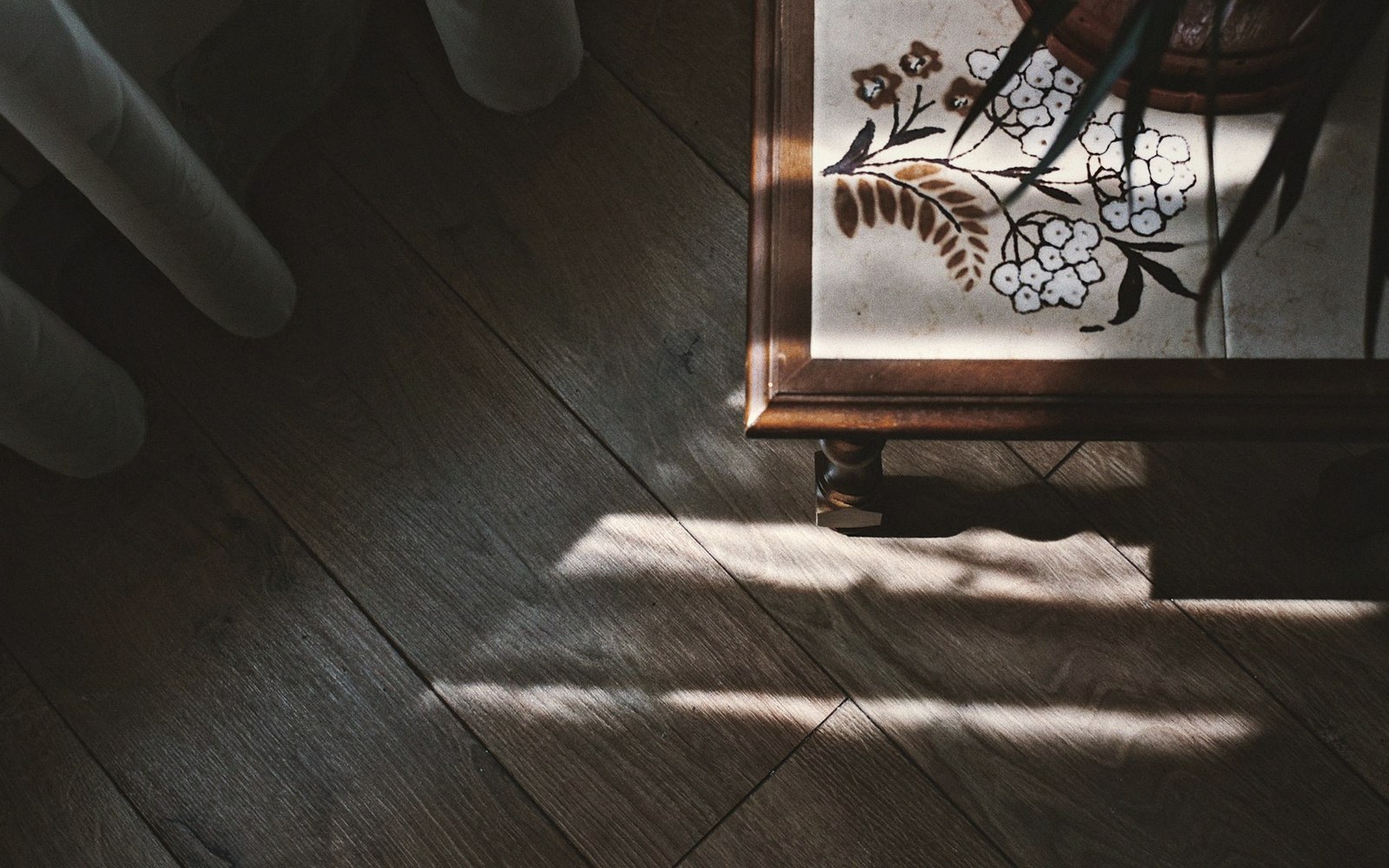
Before you move anything, spend a morning watching what the light actually does. Not what you think it does — what it does. Stand in the doorway at nine, at noon, at three. Notice which wall catches the sun and which stays flat all day. Notice where the light pools on the floor and where it dies before it reaches the corner. This is information. Most people skip it entirely and then wonder why the room never feels right.
Every window has a bias. A north-facing room receives no direct sun but holds a cool, even light that painters have always valued — the kind that doesn't shift through the day. A south-facing room is generous in winter when the sun is low, but in summer the angle steepens and the light moves fast. East means a bright morning that fades; west means the room comes alive at four in the afternoon and is dull before then. None of this is a problem to solve. It is the room's character, and working with it is far less effort than fighting it.
Arrange before you light
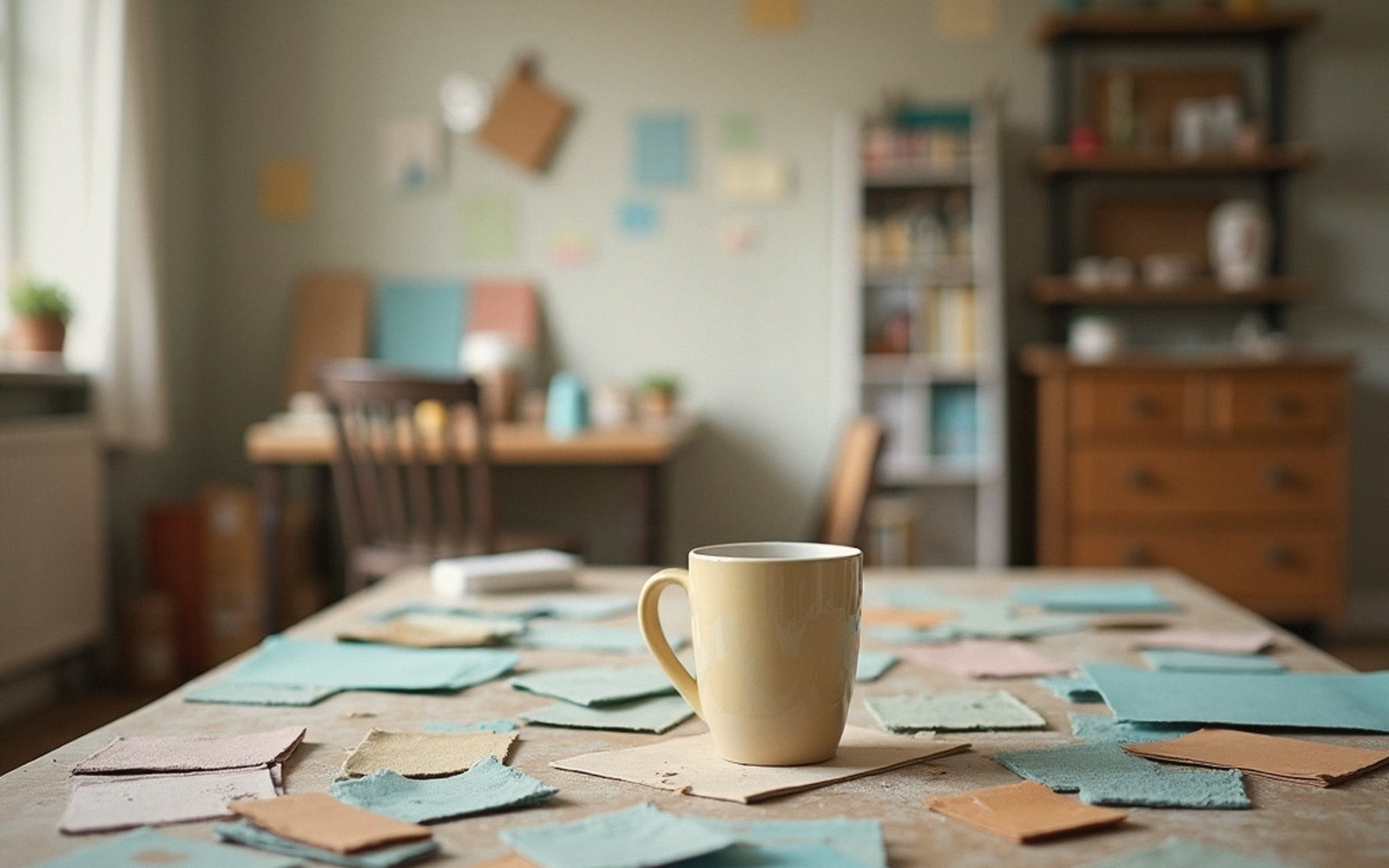
The commonest mistake is to furnish a room from the centre outward — sofa here, table there — and then notice it feels dark and start buying lamps. The lamps are not the problem. The problem is that a large upholstered piece is blocking the window's throw, or the main seat faces away from the incoming light and leaves you reading in your own shadow.
Try this instead: find where the natural light lands in the part of the day you use that room most. A sitting room used mostly in the evening has a different logic from a room used through the afternoon. If you read, you want the light source — whether window or lamp — to the side and slightly behind, not in front of you and not above your shoulder from behind. If you work at a desk, a window to one side is better than one directly ahead. These are not aesthetic preferences; they are the physics of how eyes handle glare and contrast.
Furniture arranged around the window's fall means working surfaces, reading chairs and the pieces you actually use most end up in the light. Storage and display — pieces you look at rather than use — can take the darker reaches of the room. This is the whole principle, and it costs nothing.
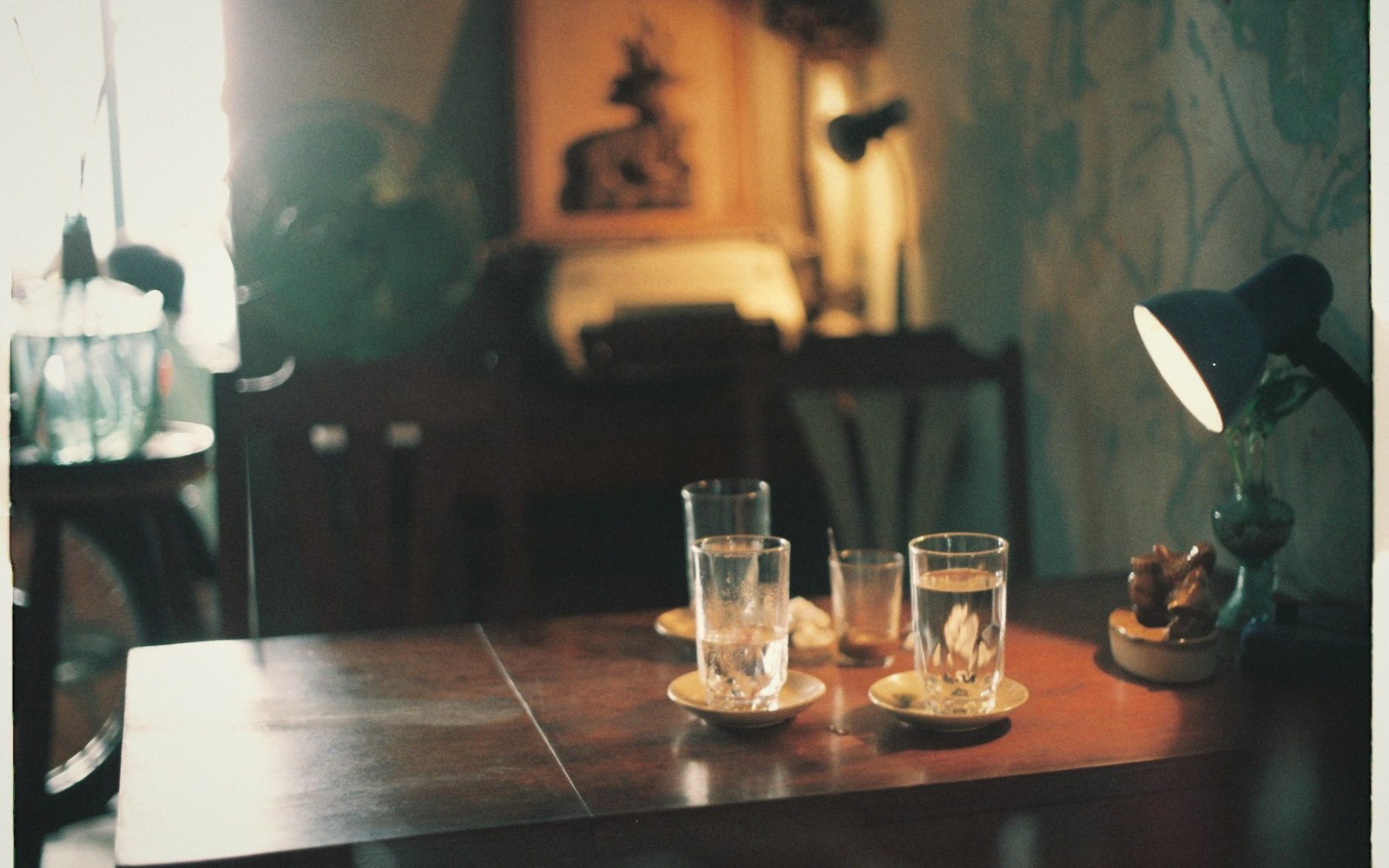
Mirrors can extend what a window does, but only if they are placed to face it, or at an angle that catches and throws the light somewhere useful. A mirror facing a wall reflects the wall. That is all it does.
Most people skip it entirely and then wonder why the room never feels right.
The floor matters more than the ceiling
Light travels down and bounces up. A pale floor returns borrowed light to the room; a very dark floor absorbs it. This is not an argument for pale floors in every room — a dark floor can anchor a bright space beautifully — but it is worth knowing that the floor is the single largest surface in the room and it is doing something, whether you intended it to or not.
If the floor under your carpet turns out to be boards worth sanding, the gain in reflected light can be as significant as any lamp you might add. Paint on a wall does the same work: a flat finish absorbs more light than a mid-sheen, which is one practical reason to think about finish before colour when painting a dark room.
Do all of this before spending anything on additional lighting. Three lamps placed well will transform a room if the furniture has already been arranged around the light. Three lamps in a room that hasn't been arranged will only make the arrangement more visible.