Colour in the room, not the shop
The chip tells you almost nothing. The wall tells you everything.

The gap between the card and the room
A paint chip under a shop's fluorescent tube is a different object from the same colour spread across four walls at seven in the evening. The chip is small, surrounded by white, and lit by something that flatters it. Your room is none of those things.
Light changes colour more than colour changes colour. A north-facing room receives indirect, cool daylight all day; a south-facing one gets warm raking sun in the afternoon. The same mid-grey can read as pale blue in one and as a warm stone in the other. Artificial light shifts things further: tungsten and warm LED sources push yellow and amber into everything; cooler daylight bulbs hold colours closer to what you saw on the chip.
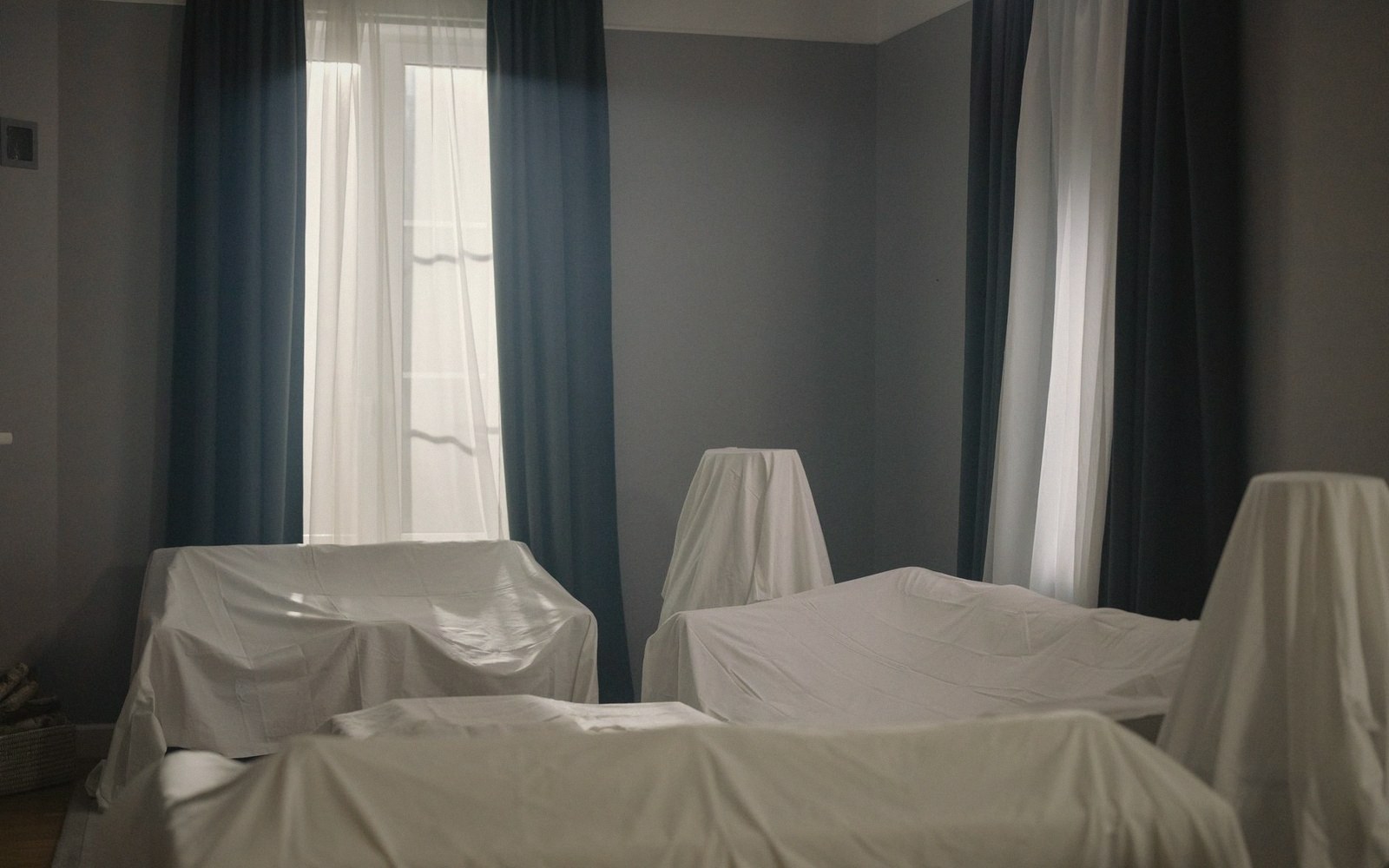
The other factor the chip conceals is mass. A colour on a small rectangle looks lighter and less saturated than the same pigment across a whole wall — this is called the simultaneous contrast effect, and it operates on every colour, in every room, without exception. Deep colours deepen further. Pale colours can feel almost white. Warm colours advance. You cannot read any of this off a chip.
Test it where it will live
Buy small sample pots — most ranges sell them — and paint two generous patches per wall: one high, one low. High and low because the ceiling reflects light down onto the upper wall, and the floor reflects light (and floor colour) up onto the lower. A room with pale floorboards and a white ceiling will treat the same paint differently at skirting height versus picture-rail height.

Leave the patches up for two full days. Look at them in morning light, afternoon light, and under your actual evening lighting — not a torch, not a temporary bulb, but what the room actually runs on. Look at them against the floor, the furniture that is staying, the woodwork. The colour does not live in isolation; it lives in that room, with those things.
Look at them against the floor, the furniture that is staying, the woodwork.
If you are cutting in before deciding whether the colour is right, you have gone too far too fast.
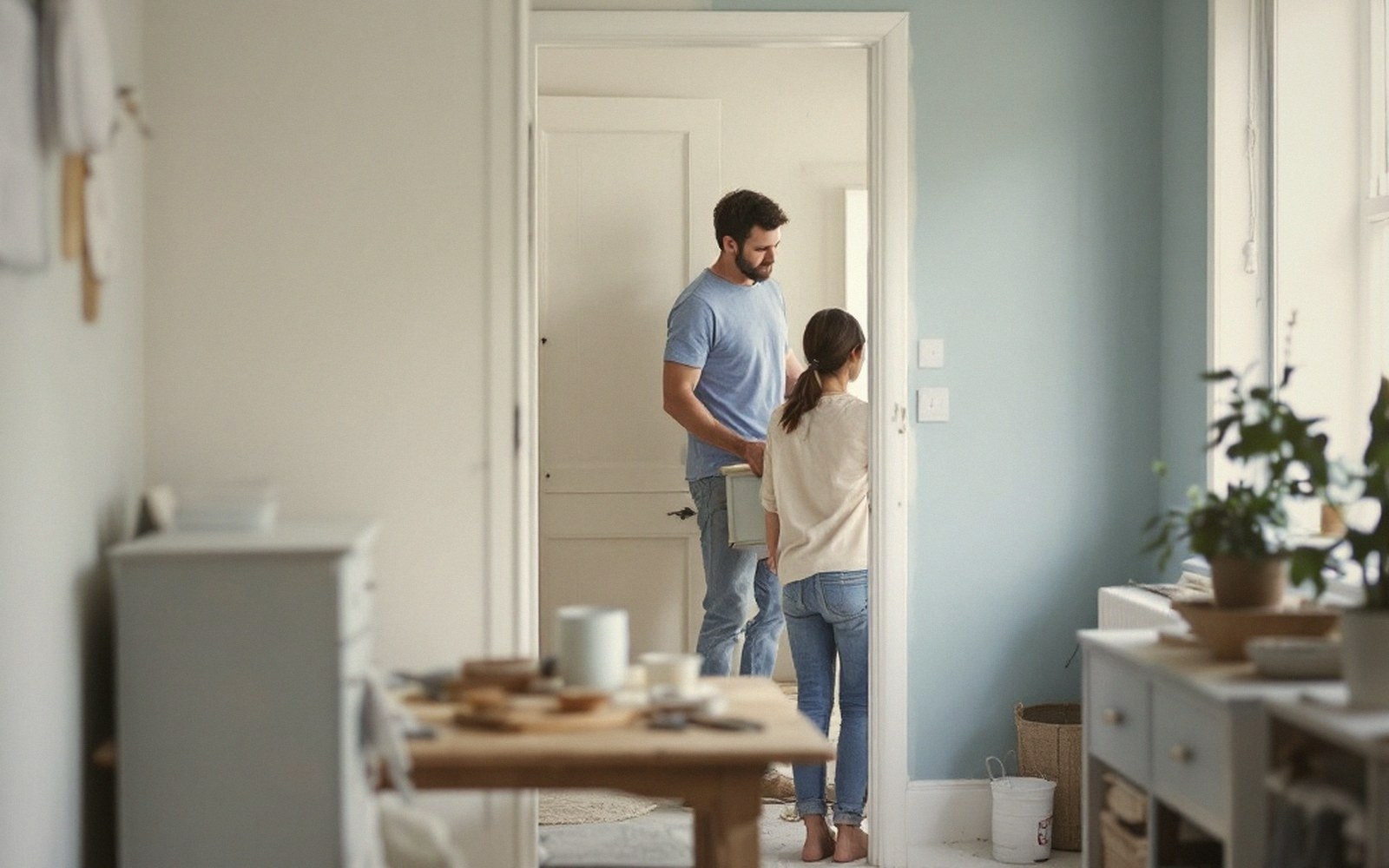
Paint all four walls the same colour and the corners will read as slightly different tones — that is the geometry of light, not a flaw in the tin. Stand in the middle of the room and see whether the overall effect is what you are after. That position — the centre of the room — is the one that matters, and it is the one position a chip will never show you.