Paint that survives being wiped
Finish matters more than colour in a house that is used. Choose the wrong sheen and the colour becomes irrelevant within a month.
What the finish actually is
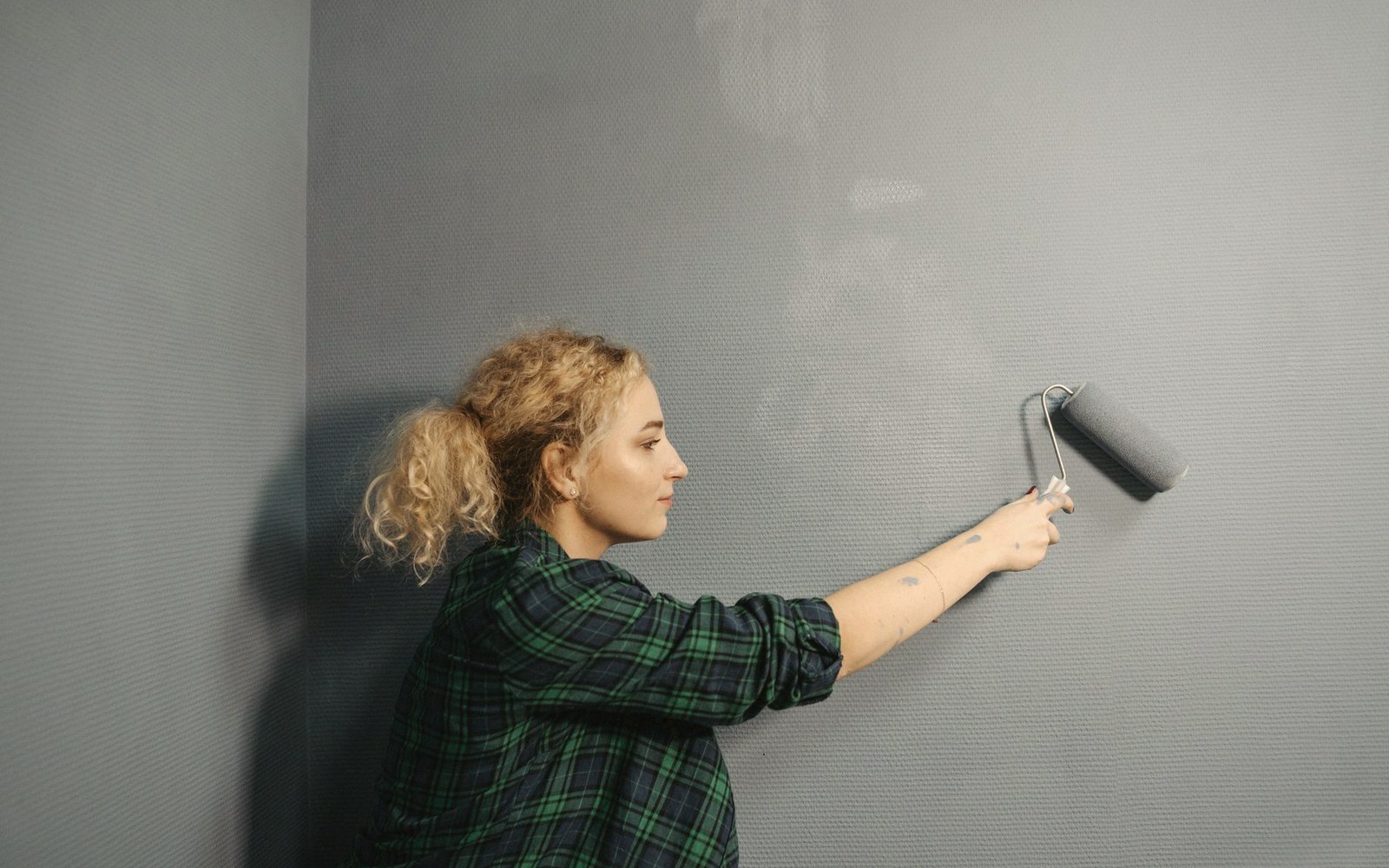
Colour is mixed into paint. Sheen comes from what surrounds it. The binder in a water-based paint — usually an acrylic or vinyl-acrylic resin — cures to form a film over the surface, and the proportion of pigment and filler to binder determines how that film reflects light. A high-pigment, low-binder mix is absorbent and chalky: flat paint. A low-pigment, high-binder mix cures denser and smoother: eggshell, satin, semi-gloss. The denser the film, the harder and more moisture-resistant it becomes, and the more easily you can wipe it down without the surface giving way beneath the cloth.
This is why finish is a structural decision, not a decorative one. When a damp cloth drags across flat paint on a kitchen wall, you are not cleaning the paint — you are abrading it. The pigment releases. The surface goes lighter in the spot you wiped, or develops a dull sheen where the particles have been compressed and aligned by friction. That compressed-particle sheen is called burnishing, and it is permanent without repainting. The same cloth on a cured satin or eggshell leaves the surface intact, because the binder film is continuous and hard enough to resist.
The practical upshot is a hierarchy. Flat and matte finishes belong on surfaces that are rarely touched and never wiped. Eggshell (a very low sheen) belongs on most walls in living rooms and bedrooms that see moderate use. Satin goes on woodwork, doors, door frames and architraves, and anywhere a wall is in regular contact with hands — the sides of doorways, around light switches, along stair walls. Semi-gloss is for skirtings, window frames and anything that genuinely needs scrubbing back to clean. Gloss is largely a historical holdover now kept alive by woodwork tradition and the fact that it is unambiguously wipeable; in modern interiors it is mostly confined to front doors and ironwork.
Where each finish belongs, and where it doesn't
The hallway is the hardest-used surface in the house, which is why the hallway problem is never purely about storage. Coat sleeves brush the wall at shoulder height. Bags drag along at hip level. Hands touch both sides of a narrow corridor every time anyone passes through. Flat paint on a hallway wall will show those contact points within weeks — not as dirt exactly, but as a patchy burnished map of every passing. The fix is not more frequent painting; it is using eggshell or satin on the walls from the start.
There is a trade-off, and it is worth naming honestly: the higher the sheen, the more faithfully the surface shows what is underneath it. Flat paint obscures minor undulations, old filler, slight unevenness in the plaster. Satin paint catches raking light and reveals every one of them. This is not a reason to use flat paint in high-traffic areas — it is a reason to prepare the surface properly before you choose a sheen above eggshell. Filling, sanding and washing the wall isn't optional preparation for satin paint; it is mandatory. The paint will report on whatever you leave behind.
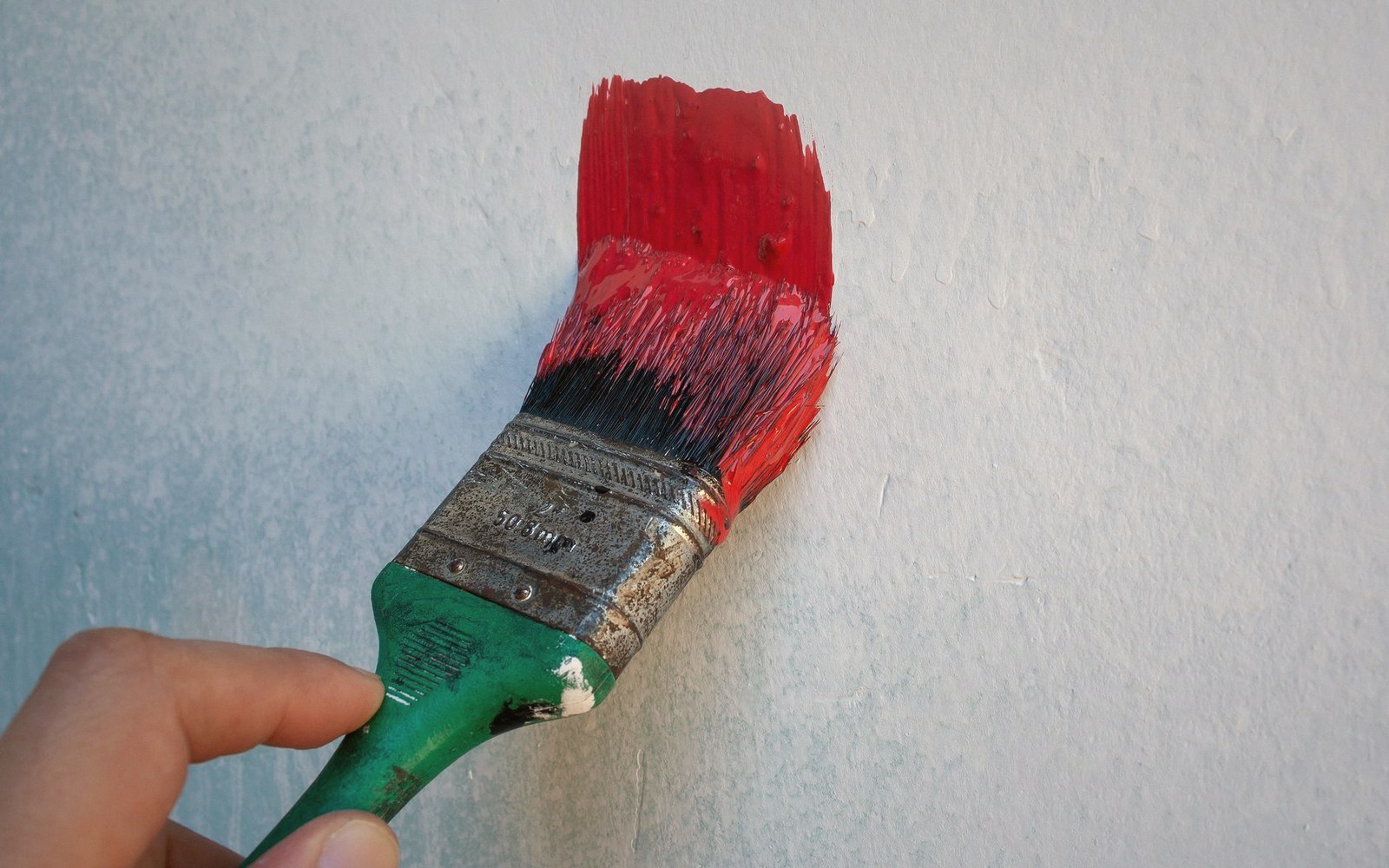
Kitchens and bathrooms need something wipeable on every wall, not just the splashback tiles. Steam, grease and condensation work their way into flat paint and degrade it from behind, lifting the film in patches that look like failed plaster but are simply a finish that couldn't cope with moisture. Eggshell or satin are appropriate here; some people use the same semi-gloss they put on the woodwork, which is entirely workable and makes cleaning straightforward. The slight institutional quality of a high-sheen kitchen wall bothers some people and not others.
The ceiling is the exception to all of this, and it is a genuine exception. Ceilings are almost never touched; they sit beyond the reach of steam in most rooms; and because you view them in raking light from below, any texture or unevenness is dramatically amplified. Flat paint hides this. The slight micro-roughness of a flat finish scatters light rather than reflecting it, and an imperfect ceiling reads as acceptable; the same ceiling in eggshell reads as a disaster. There is no practical maintenance argument for putting anything other than flat paint on a ceiling, and the aesthetic argument runs entirely in the same direction.
Hands touch both sides of a narrow corridor every time anyone passes through.
Why the second coat is not optional
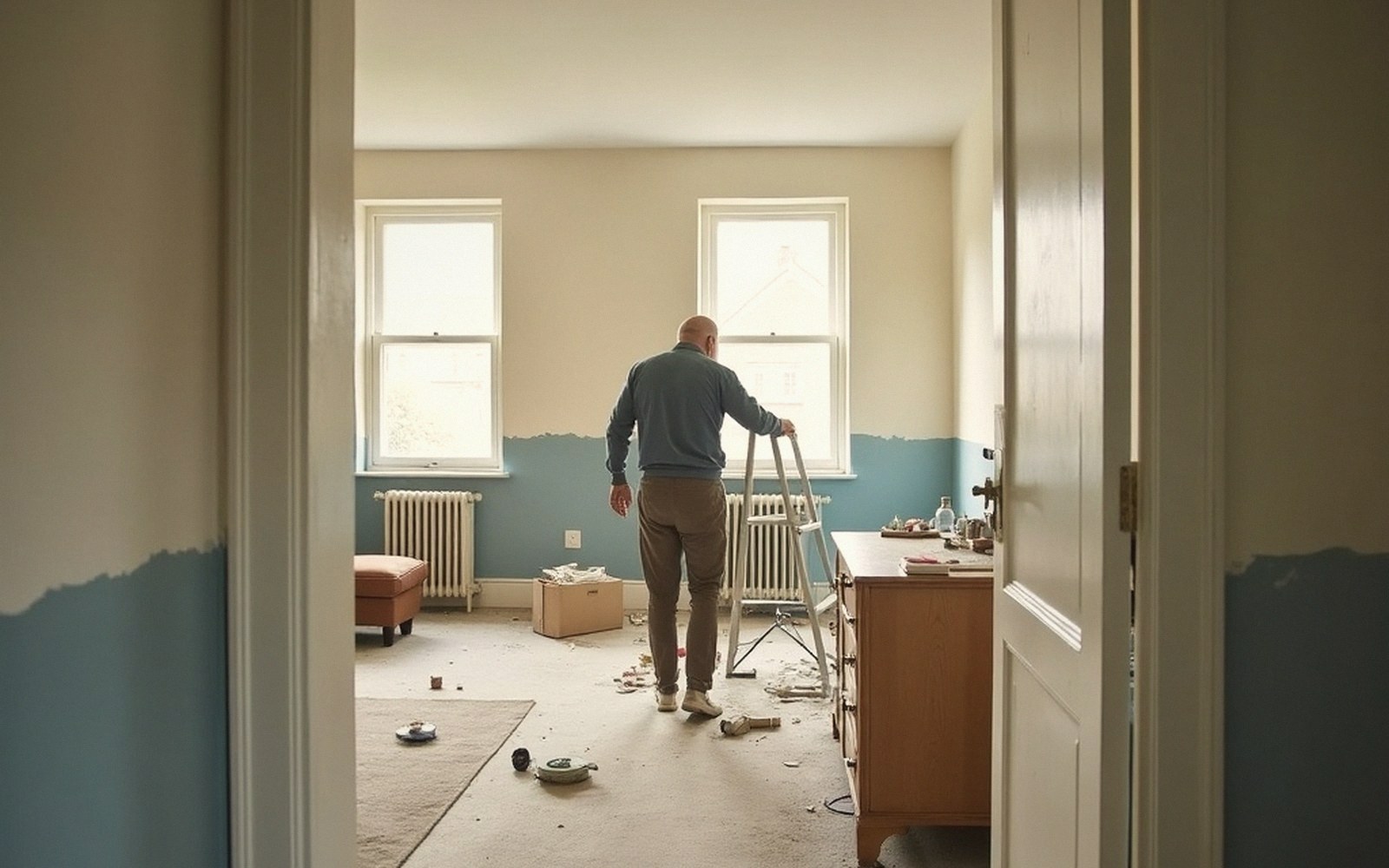
One coat of almost any finish is semi-transparent. The pigment loading in modern trade and retail paints is calibrated for two coats, not one, and a single coat — even over white primer — leaves the film thinner than it was designed to be. On a flat paint this means slightly less coverage and opacity, which is annoying but not structural. On a wipeable finish it matters differently: a thin film has less binder depth, and the first time you wipe the wall firmly, you may cut through to the substrate. The durability you paid for in the finish is not there, because you did not apply enough of it.
The practical rule is two full coats on every painted surface, with adequate drying time between them. What adequate means depends on the specific product and the temperature of the room, but the feel test is reliable: if the paint feels the slightest bit tacky, or releases any paint onto your knuckle when you press lightly, it is not ready. Rushing the second coat traps solvent beneath the surface and delays the full cure, which takes considerably longer than the touch-dry time suggests. A water-based eggshell may feel firm within two hours of the final coat but reach full hardness — where it genuinely resists abrasion — only after several days. During that window, treat the surface gently: don't wipe it, don't let anything rest against it, and particularly don't hang anything on it.
A note on cutting in: the line where a satin wall meets a flat ceiling is only as clean as the hand that painted it, and if those two finishes catch light differently — which they will — a ragged edge becomes obvious. A careful cut-in line matters more with mixed finishes than it does with a single finish throughout a room. Take the time, use a decent brush, and leave the roller for the open field.

One last point about repainting: a flat wall repainted with satin, or vice versa, needs priming or a full two coats of the new finish to prevent the old sheen showing through in patches. A single coat of satin over a flat wall gives you neither the durability of satin nor the forgiving quality of flat — it sits between them, doing neither job. Commit to the finish. Apply it properly. The wall that survives the next five years of being lived in is not the wall painted with the most interesting colour; it is the wall painted with the right film in the right place, at the right thickness, allowed to cure.