What preparation actually is
The painting is the short part. Everything before the brush touches the wall is why the finish holds — or doesn't.

The job before the job
Ask anyone who has repainted a room and been disappointed with the result what went wrong, and the answer is almost always the same: they skipped straight to the colour. Paint is not a corrective layer. It does not fill, flatten or clean — it simply makes everything underneath it more visible under a coat of sheen. A crack that was barely noticeable on a magnolia wall becomes a confident shadow under fresh paint. A greasy handprint, left unwashed, causes the new paint to peel within months. The preparation is not the tedious preamble to the job; it is most of the job.
The sequence matters: fill first, then sand, then clean. Each step affects the next, and working out of order wastes time. Cleaning before filling, for instance, means touching the wall again with filler-dusted hands and creating new marks to clean.
Filling
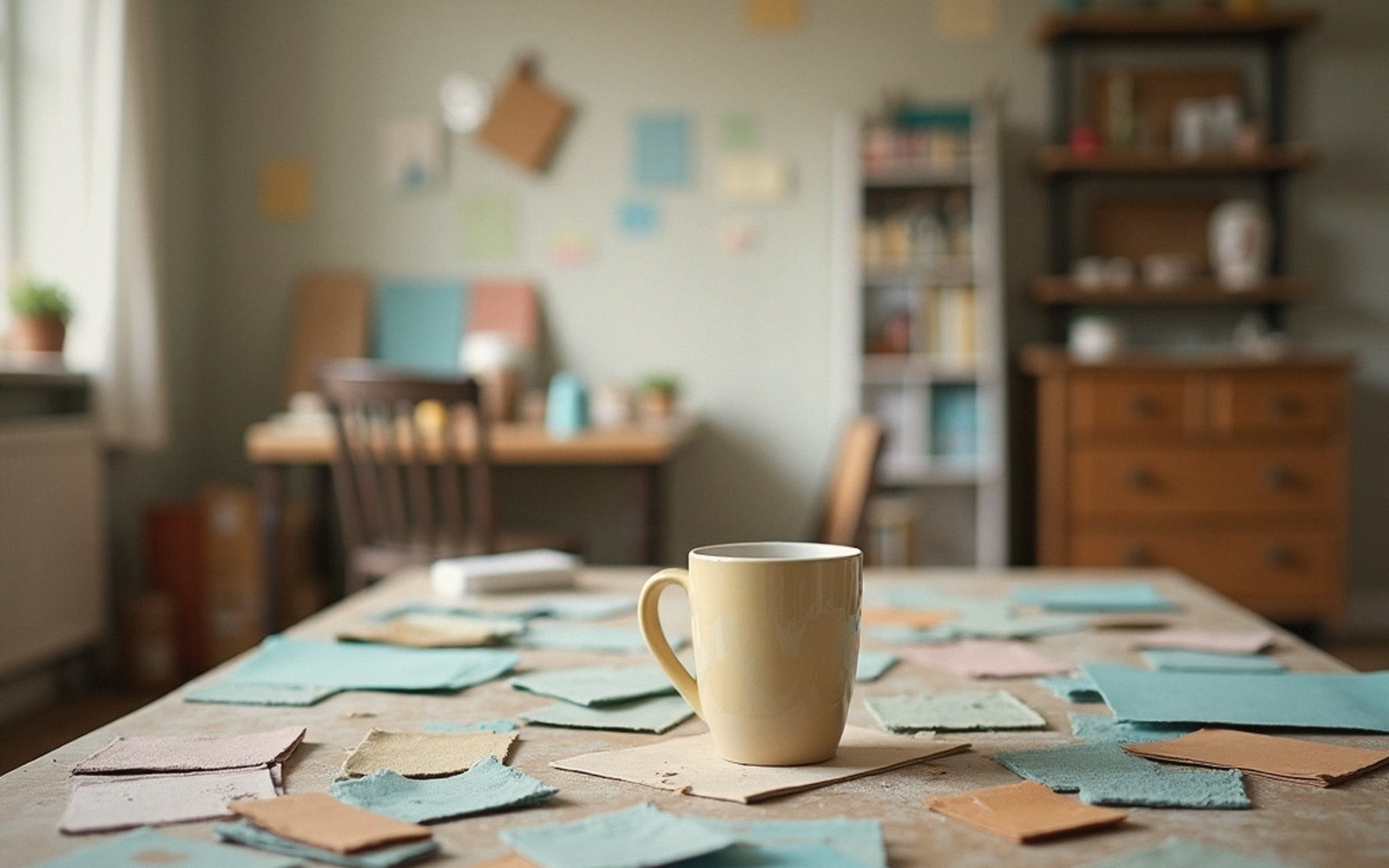
Surface repairs come first. Work around the entire room systematically — holes from picture hooks, hairline cracks at the corners of door frames, shallow dents, the small voids where a previous plug sat proud and was yanked out. Ready-mixed filler is fine for most of this; it spreads easily and dries in an hour or two in a warm room. Press it in slightly proud of the surface, because filler shrinks as it dries and a flush fill becomes a hollow one. Anything deeper than about 10mm is worth doing in two passes, letting the first layer skin over before adding the second.
Hairline cracks, especially those running along ceiling cornices or at the junction of wall and woodwork, often reopen with seasonal movement. A flexible filler or a fine surface caulk, rather than a rigid compound, handles these better — it gives slightly rather than cracking again. Run a damp finger along it to smooth the bead before it skins.
Sanding
Once the filler is fully dry and hard — test with a fingernail; it should not dent — sand it back flush. Wrapped around a cork block or a flat pad, 120-grit abrasive paper cuts filler cleanly without gouging the surrounding plaster. Feather the edges so there is no proud rim to show through the paint. Then, with finer paper (180 or 240), give the whole surface a light scuff — not a full sand, just enough to de-gloss any previously painted areas and give the new coat something to grip.
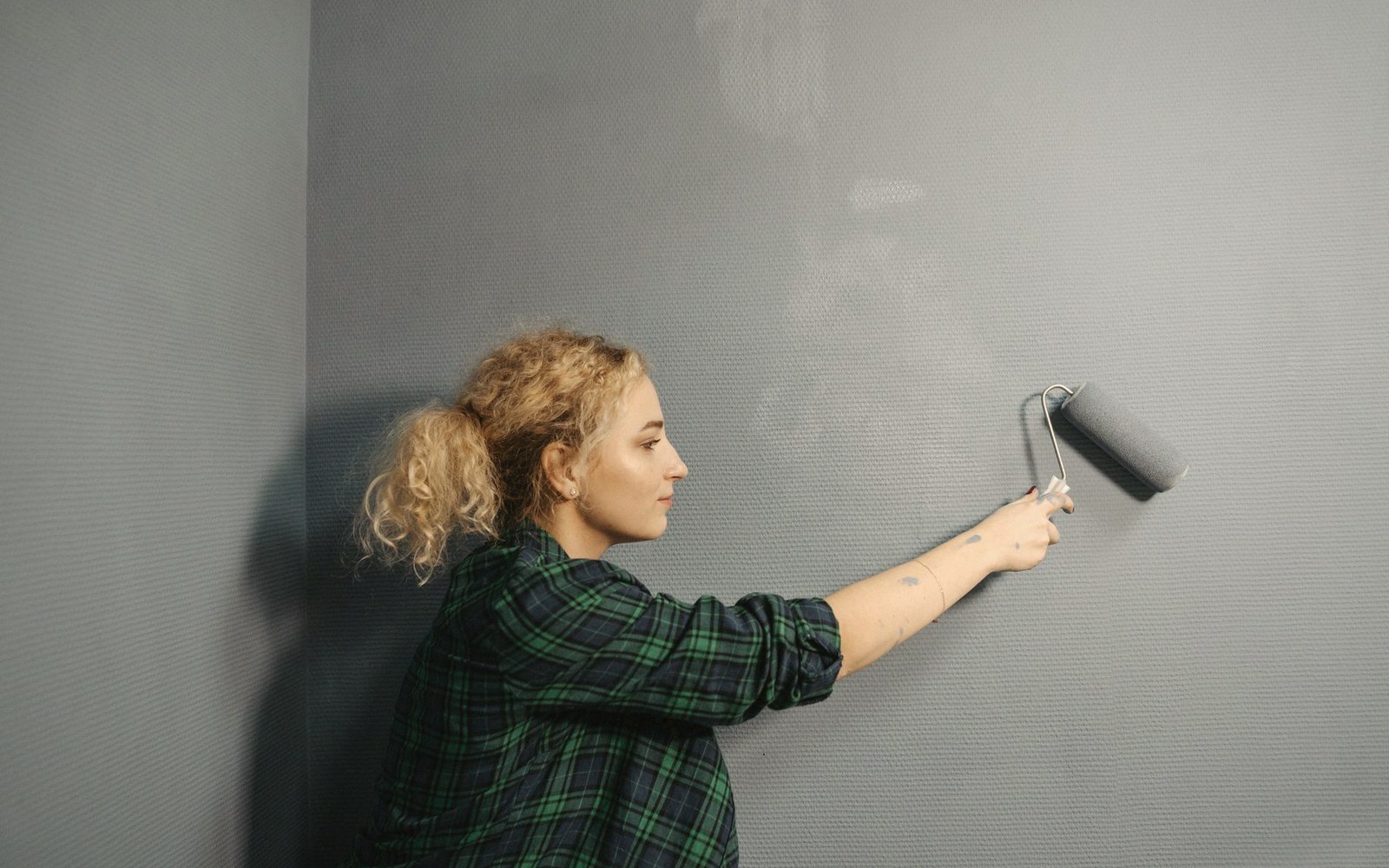
On woodwork — skirting boards, door frames, window reveals — this scuffing pass is essential. Gloss and eggshell surfaces are designed to repel liquid, which is useful in use but hostile to the next coat of paint. A light sand takes the shine off and costs ten minutes a room.
A greasy handprint, left unwashed, causes the new paint to peel within months.
Washing
Sanding creates fine dust that settles back everywhere, including onto the walls you just prepped. Vacuum it off first — brush attachments on skirting, a soft-bristle nozzle on walls and ceiling edges. Then wash. This step gets skipped most often, and it is the one that matters most in kitchens, bathrooms, hallways and around door handles, where grease and grime are invisibly present.
A solution of sugar soap (available in powder or liquid form from any hardware supplier) dissolved in warm water, wiped over the wall with a wrung-out cloth, and then rinsed with clean water is the standard approach. It cuts through the light grease film that builds up on any painted surface over time without stripping or raising the existing paint. Work in sections and let the wall dry completely — paint applied to a damp surface will not bond properly and may blister.
What's left
If the surface is clean, flat and dry, you are ready to paint. What that now takes is priming any bare filler spots (they are absorbent and will drink the first topcoat, leaving dull patches), cutting in carefully at edges, and then rolling the field. The actual painting of an average room takes a couple of hours. The preparation took longer, and that is the correct proportion. It is also, once you accept it, the satisfying part — the stage at which a tired surface becomes something worth painting.