Stripping, and when not to
Old finish is sometimes the value of the piece.
Read the surface before you touch it
The urge to strip a second-hand find — to get back to bare wood, to start again with something clean — is understandable and, often, a mistake. What looks like grime or wear is sometimes the entire reason a piece is worth having. The patina on old furniture is not decoration applied afterward; it is a record of the wood's age and use, built into the fibres over decades. Strip it out and you have new timber in an old shape, and those two things do not agree.
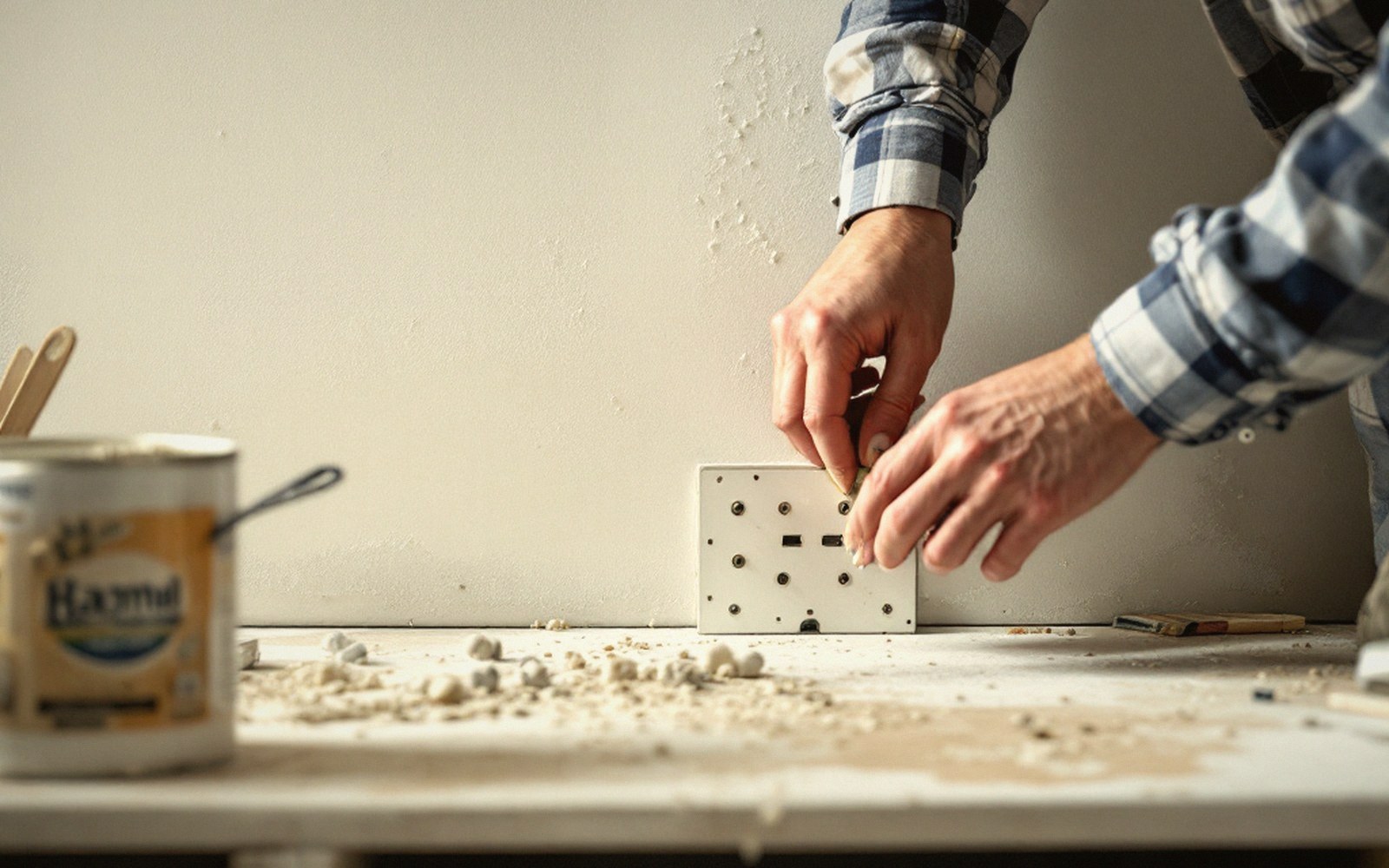
The practical question is always the same: what is the existing finish actually doing? If it is sound — not flaking, not sticky, not contaminated with something that will prevent a new coat from bonding — it may need nothing more than a clean and perhaps a light wax or oil to restore its depth. A piece with a finish in that condition is ready to use. The stripping conversation should not even begin.
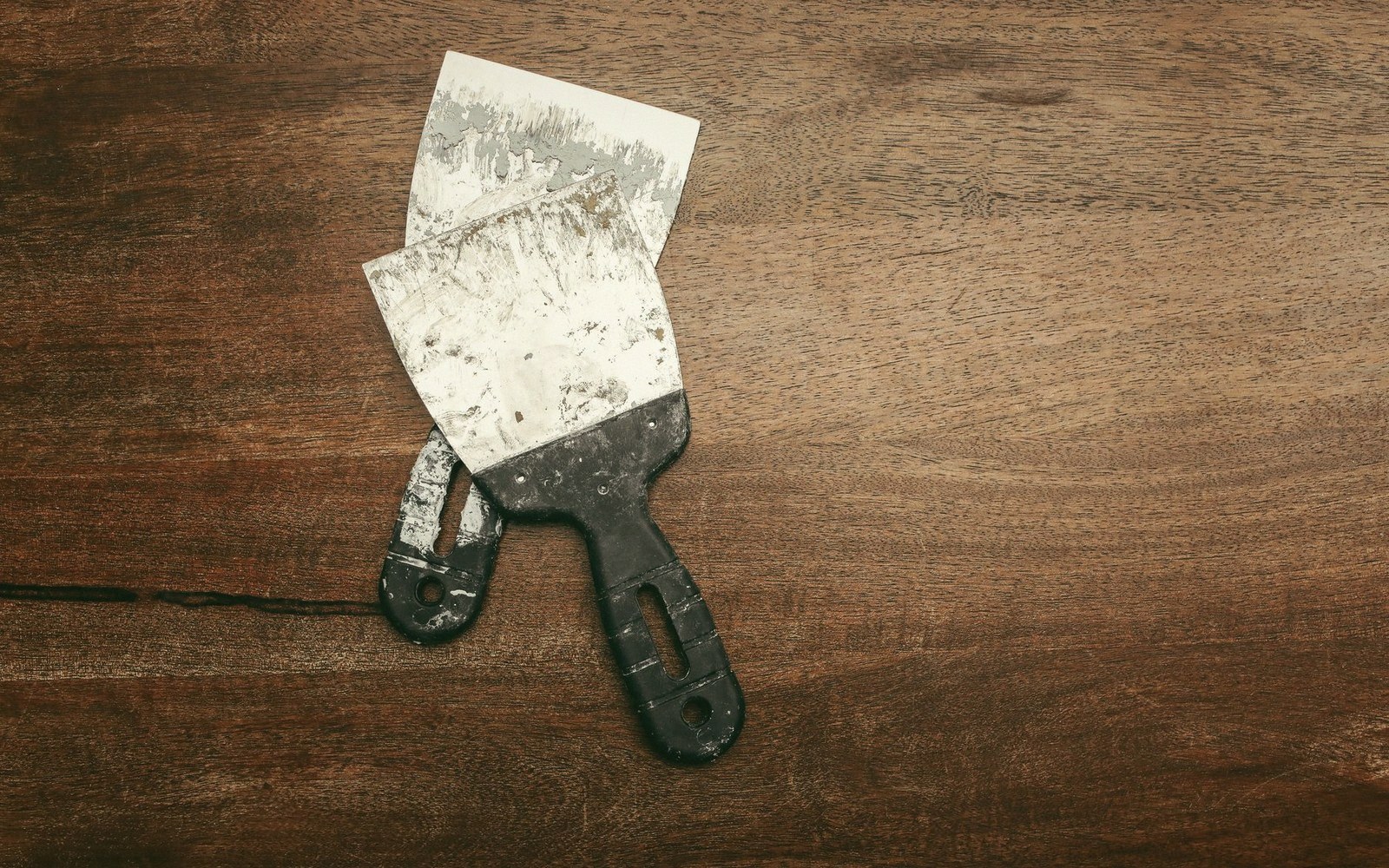
When the finish genuinely has failed — lifting in sheets, crazing into a network of fine cracks, or soft and tacky to the touch — stripping becomes worth considering. But even then, the question is not whether to strip, it is how much, and over how much of the surface.
What old finish actually contains
Before touching any pre-1980s piece with a heat gun or chemical stripper, pause. Paints and varnishes from that era commonly contain lead, and stripping them releases particles and fumes that are serious health hazards. Chemical strippers on lead paint produce a contaminated paste that requires careful disposal — not down the drain and not in the ordinary bin. A simple lead-check swab test, available from hardware shops, gives you an answer before you start. If the result is positive, your options are either to encapsulate (paint over, cleanly, with a suitable primer) or to leave the piece alone.
Age also makes stripping unpredictable in another way. Old shellac — the traditional finish used on furniture through much of the nineteenth and early twentieth centuries — dissolves in methylated spirit, which is convenient; but it may have been applied over an oil-based stain that does not come away with it. The wood colour you expect may not be the wood colour you find. Walnut stained to look like mahogany, pine stained to look like oak — commercial furniture made this routine, and stripping reveals it. Not always unwelcome, but worth knowing before you begin.
The case for leaving it alone
There is a category of finish — most common on pieces made before mass production simplified everything — that genuinely cannot be replaced once it is gone. This is not sentimentality. The surface built up by repeated hand-waxing over a long life has a depth and softness that no modern product applied in an afternoon will reproduce. The same is true of the colour in aged timber: the amber tone of old pine, the darkening of oak with exposure to air and light over generations. These happen slowly and cannot be faked convincingly.
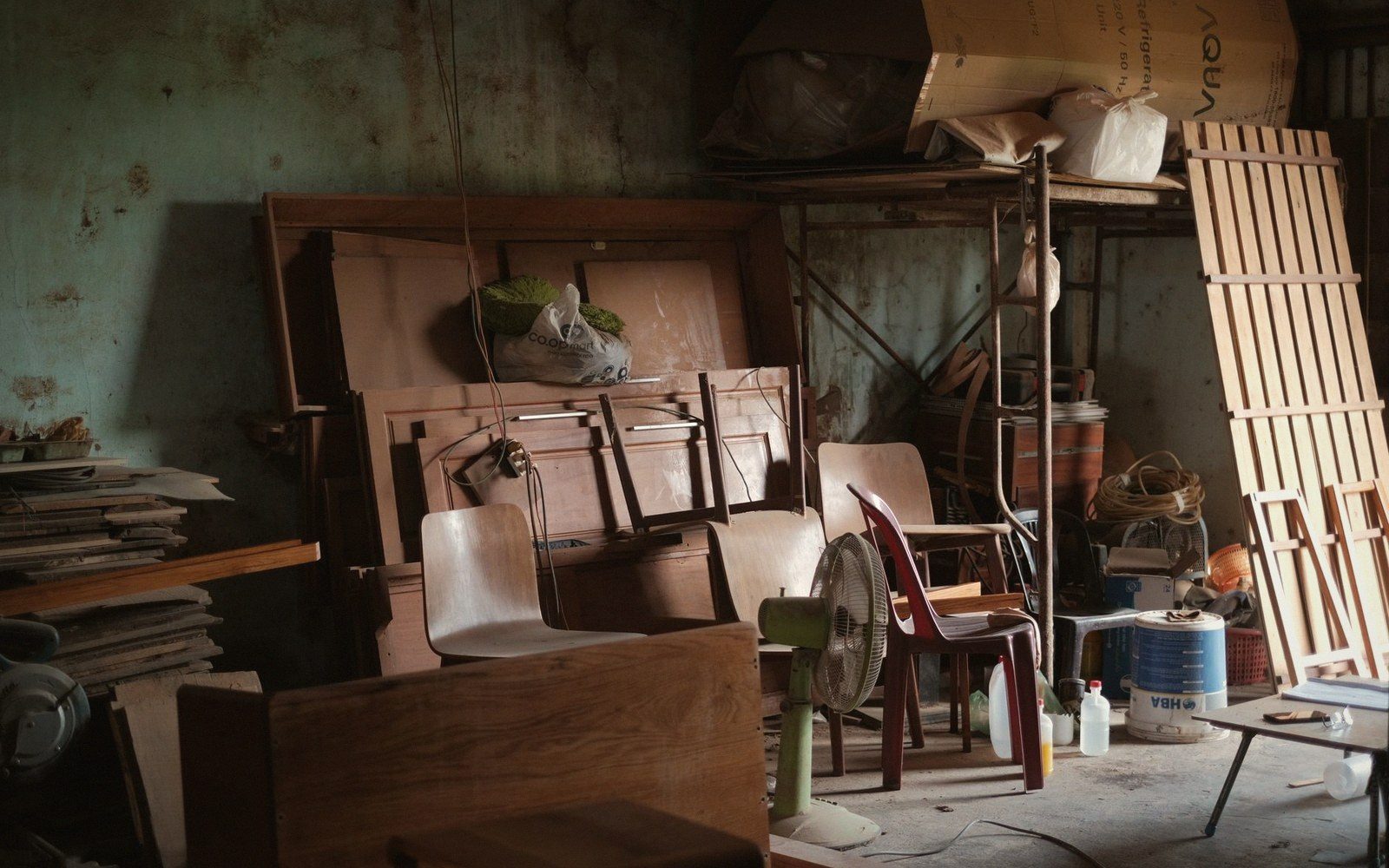
If you are looking at a piece and wondering whether it is worth repairing at all, apply the same logic to the finish: solid, genuine material repays careful treatment. A good clean with the mildest thing that works — a damp cloth first, then diluted dish soap if needed, then a solvent like white spirit only if the others have failed — will often recover more than you expect, without the commitment of stripping. Let it dry fully between steps, and assess before going further.
it is a record of the wood's age and use, built into the fibres over decades.
If stripping is genuinely necessary, take it slowly and in stages. Chemical stripper on a small test area first. A plastic scraper rather than metal to avoid gouging. Grain direction always. And accept that the piece may look worse before it improves — bare wood raised by stripper is rough and uneven, and needs work before any new finish will sit on it well.
The finish on a second-hand piece is where most of its character lives. Removing it is permanent. The bar for doing so should be higher than it usually is.